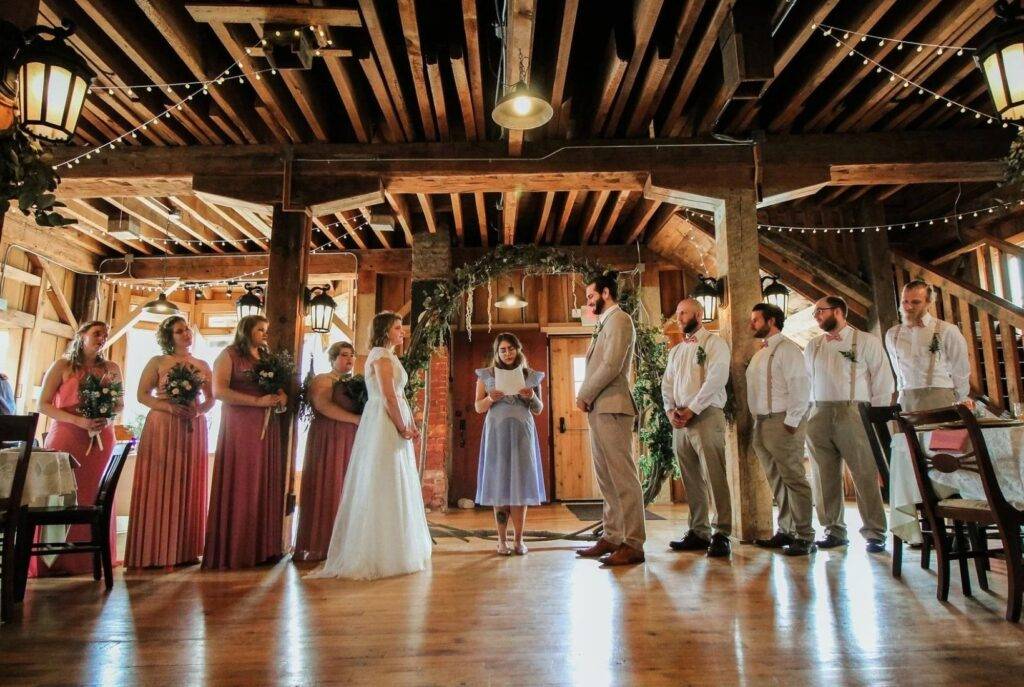
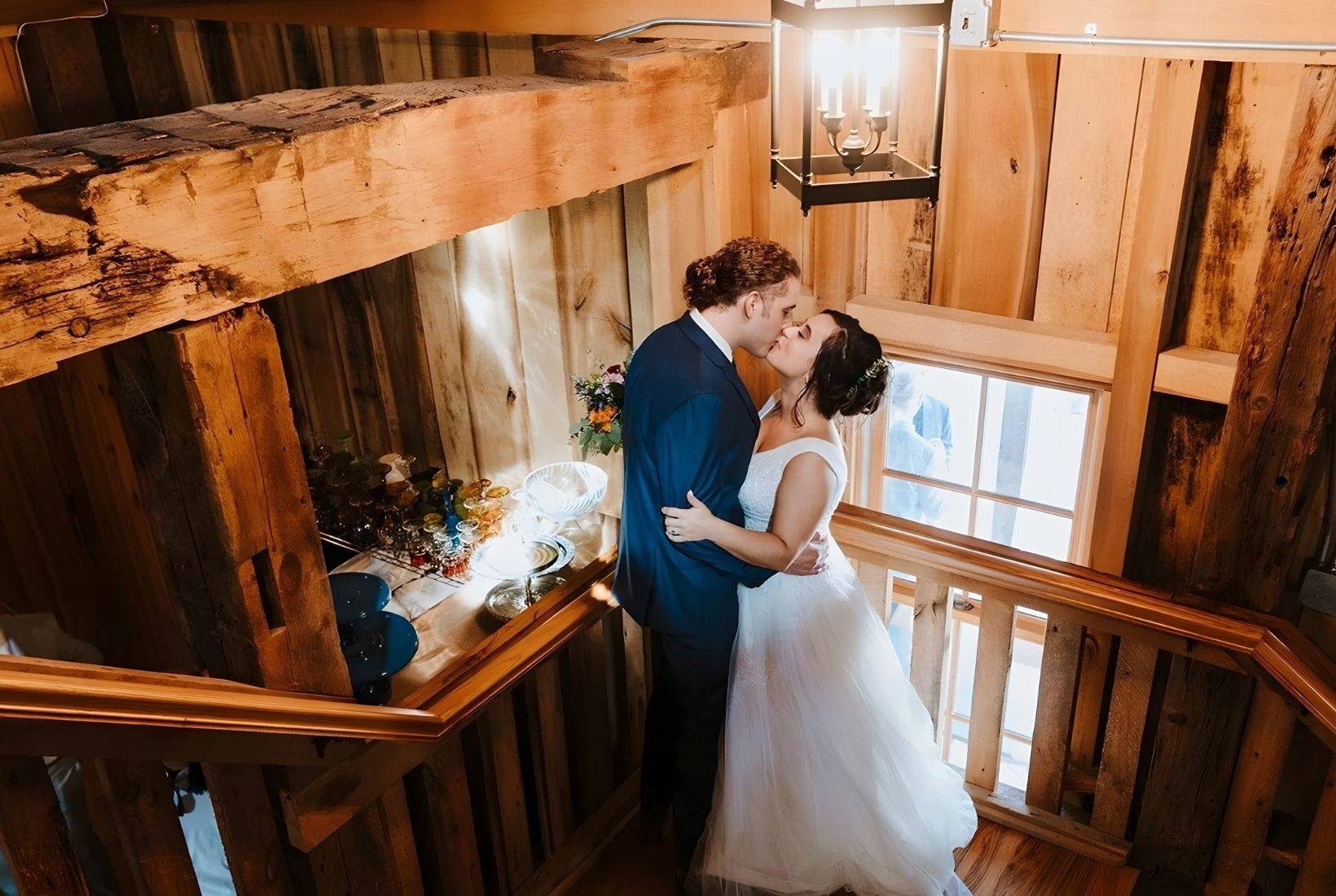
Across Michigan, restored mills are being reimagined as gathering places where history and celebration meet. These spaces offer more than visual appeal; they create atmosphere, emotion, and connection. For couples seeking a wedding setting with depth and personality, grain mill venues provide a compelling alternative to traditional banquet halls or barns.

Built With Purpose: The Architectural Appeal of Grain Mills
Grain mills were originally designed for durability, function, and longevity. Thick timber beams, exposed brick or stone walls, high ceilings, and large openings were all practical necessities that now translate beautifully into event design. Unlike newly built venues that attempt to replicate “rustic” aesthetics, historic mills offer original materials that have naturally aged over decades—or even centuries.
Architectural preservation organizations frequently highlight mills as examples of adaptive reuse, where historic structures are restored for modern use without erasing their original character. According to preservation experts, these buildings offer visual depth that cannot be recreated artificially, making them especially appealing for events centered around storytelling and authenticity.
From a guest perspective, these architectural details immediately set the tone. The venue itself becomes part of the experience, encouraging guests to explore, photograph, and engage with the space throughout the celebration.
A Sense of History That Elevates the Wedding Experience
One of the most compelling reasons couples choose historic venues is the emotional resonance that comes with celebrating in a place that has stood the test of time. Grain mills were often central to their communities, serving as gathering points for commerce, craftsmanship, and daily life. That legacy adds meaning to modern celebrations held within their walls.
Historical societies frequently emphasize the importance of preserving structures like mills because they reflect the working history of a region. Hosting a wedding in one of these spaces allows couples to honor that history while creating something new—an idea that resonates strongly with modern wedding values centered on intention and authenticity.
Rather than feeling generic or interchangeable, mill venues offer couples a story they can share with guests, photographers, and future generations.
Natural Light, Texture, and Atmosphere for Photography
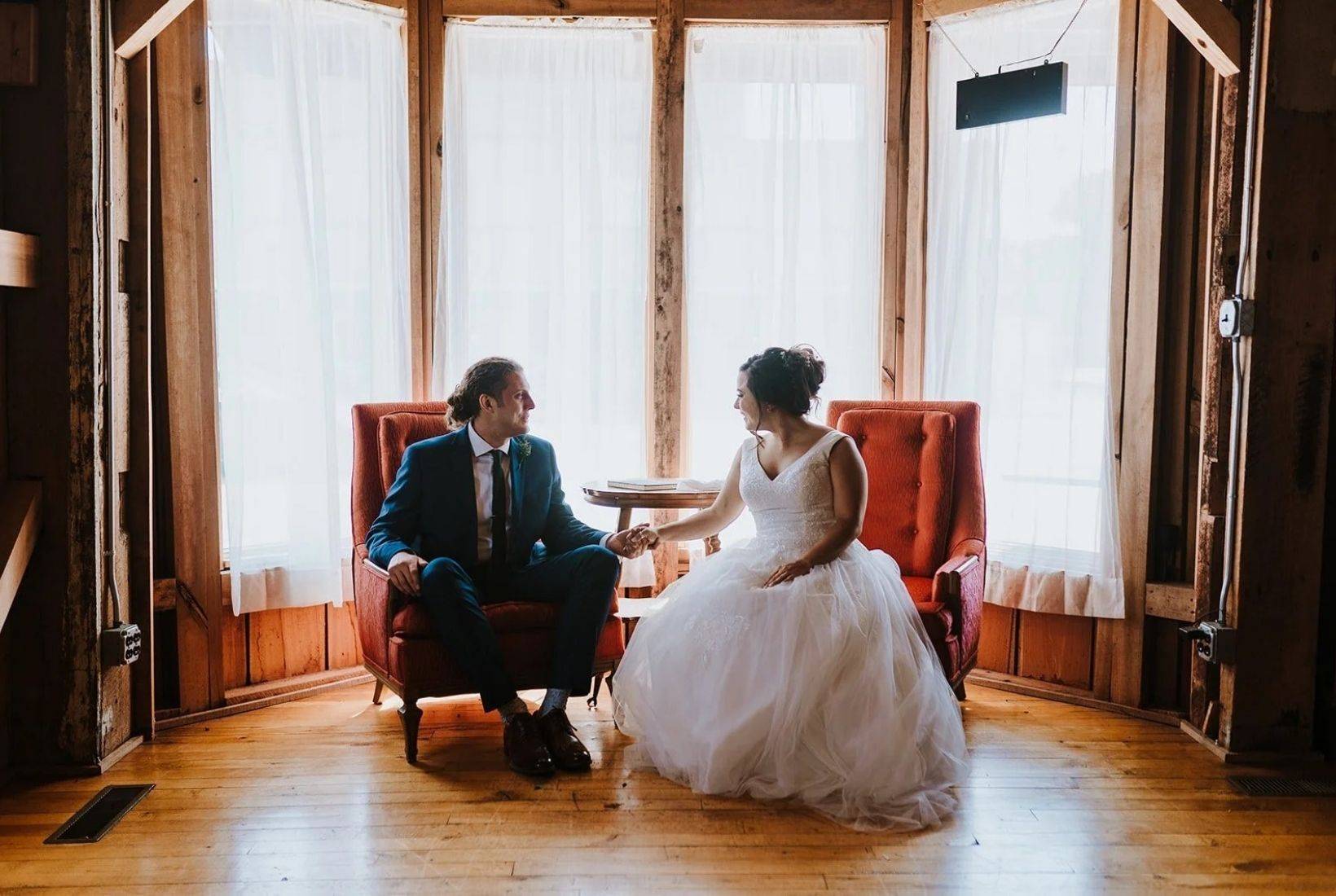
Photography plays a major role in how couples remember their wedding day, and historic grain mills offer exceptional conditions for capturing timeless images. Large windows, original doors, and open interior layouts allow natural light to interact with textured surfaces like wood, brick, and stone.
Professional photographers often recommend venues with layered textures and consistent lighting because they reduce the need for artificial backdrops or heavy editing. Natural materials photograph differently than drywall or modern finishes, producing images that feel warmer, richer, and more dimensional.
In many restored mill venues, architectural elements themselves become framing devices for portraits, ceremony backdrops, and candid moments, giving couples a diverse range of visual settings without changing locations.
Why Grain Mills Feel Both Grand and Intimate
Despite their industrial origins, grain mills tend to strike a rare balance between openness and intimacy. High ceilings and expansive layouts create a sense of grandeur, while enclosed rooms, original staircases, and structural divisions help gatherings feel personal and connected rather than overwhelming.
Event design experts note that venues with defined architectural zones allow celebrations to flow naturally—from ceremony to cocktail hour to reception—without guests feeling lost or disconnected. This balance is particularly appealing for weddings that prioritize guest experience and comfort.
Because mills were built to handle movement and activity, they adapt well to modern events while maintaining a sense of cohesion throughout the day.
Modern Comforts Within Historic Walls
A common misconception about historic venues is that they lack modern amenities. In reality, most restored grain mill venues are thoughtfully upgraded to meet contemporary standards while preserving their historic integrity. Climate control, updated restrooms, professional-grade lighting, and accessibility improvements are typically integrated during restoration.
Preservation guidelines encourage adaptive reuse projects to balance historical accuracy with functional upgrades, ensuring spaces remain usable for modern gatherings. This approach allows couples to enjoy the charm of an old-world structure without sacrificing comfort or convenience for themselves or their guests.
How Mill Hall Reflects the Best of Grain Mill Venue Design
Mill Hall is a prime example of how historic grain mills can be thoughtfully transformed into meaningful event spaces. Originally constructed in 1873, the building retains its industrial roots while offering a refined, flexible environment for weddings and events. The preserved structure, combined with intentional updates, allows couples to experience the authenticity of the space without compromise.
By honoring its original architecture while adapting for modern celebrations, Mill Hall embodies the very reasons grain mills have become sought-after wedding venues across Michigan. The venue’s layout, materials, and atmosphere reflect a commitment to preservation, experience, and timeless design.
Why Couples Continue to Choose Historic Mill Venues
As wedding trends shift away from overly staged environments toward meaningful, experience-driven celebrations, historic grain mills continue to stand out. These venues offer character without excess, beauty without trend-chasing, and stories that feel personal rather than manufactured.
For couples seeking a wedding venue that feels intentional, enduring, and genuinely memorable, grain mills provide a setting that supports both celebration and significance—making them one of the most distinctive venue choices available today.